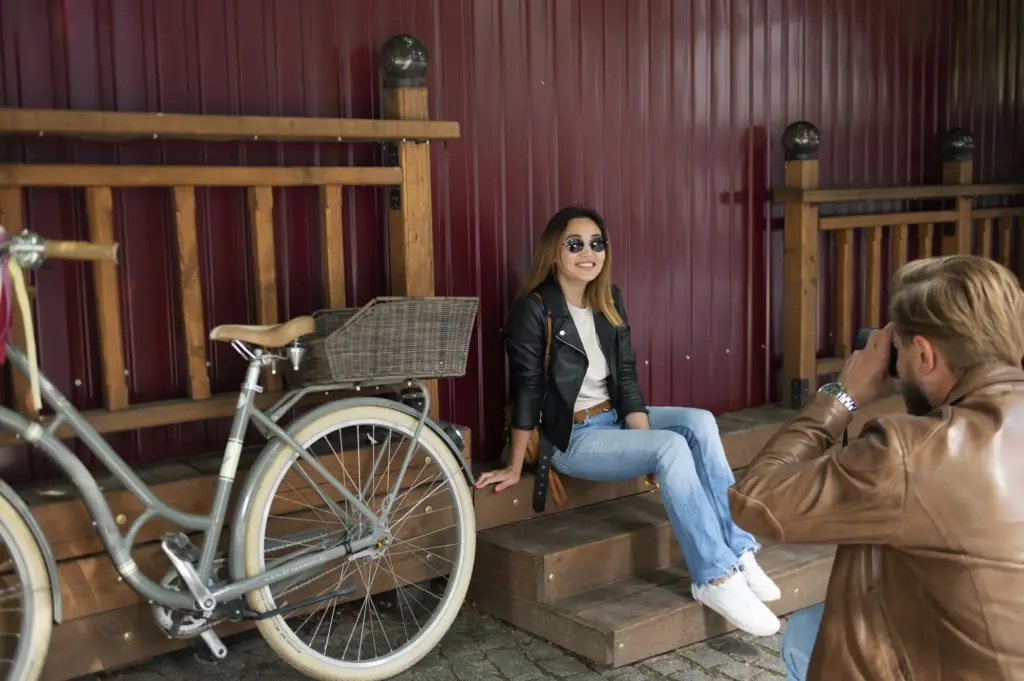
Walk the Neighborhood With Open Eyes
Step beside us as we explore Local Life, One Street at a Time, tracing footsteps, smells, and gentle conversations that define a block’s character. Expect practical observation tips, heartfelt mini-portraits, and invitations to contribute your own discoveries, so this walking journey grows with every reader who joins.

Sidewalk Signals and Everyday Rhythms

Watch for the tiny cues that reveal a street's pulse: chalk games, recycling bins aligned like flags, first deliveries rattling grates, and neighbors exchanging nods. These patterns help newcomers feel oriented, returning walkers notice change, and longtime residents celebrate continuity that sustains belonging.

Shops That Hold a Neighborhood Together

Behind modest signs, owners memorize multigenerational orders, extend small lines of credit, and post flyers for missing cats or weekend drives. Supporting these places means nourishing practical trust, where advice travels faster than search engines and problems shrink because somebody recognizes your name.

The Barbershop Ledger

In faded photos taped to the mirror, you can spot first haircuts, championship smiles, and elders quietly thriving. Conversations fold around each chair like warm towels, and neighborhood news travels by careful listening, respectful jokes, and the ritual offer of a sharper edge.

Bread at Dawn

Flour dust hangs like soft weather, and the bell above the door trains ears to expect kindness. Track which loaves sell first, what fillings make seasonal returns, and how preorders reveal family schedules, because bread calendars mirror celebrations and endurance through quieter weeks.

Stories Etched Into Brick and Memory

Bricks remember more than paint layers can hide, and corner stones whisper dates ignored by hurried footsteps. Collect oral histories with consent, capture surnames on mailboxes, and trace murals to vanished storefronts, because identity survives in fragments that attentive walkers gently assemble.

Street Nature You Can Touch and Hear

Even in dense blocks, nature negotiates space through curb trees, mossy steps, and sparrow parliaments holding court atop wires. Track shade corridors across summer, listen after rain for gutter symphonies, and sketch pocket gardens, because these living systems cool, soothe, and connect neighbors.

Trees and Shade Maps

Mark where canopies shelter elders waiting for buses and where exposed stretches demand hats, water, and patience. These microclimates teach fairness, encouraging tree plantings, bus shelters, and seating that share comfort widely, so the act of walking remains welcoming across seasons and abilities.

Rain, Puddles, Patterns

After storms, puddles outline invisible grades, revealing trip hazards and clogged drains that sabotage wheelchairs and strollers. Photograph patterns, log locations, and report gently, turning complaints into community engineering that protects mobility while respecting municipal workers who juggle urgent calls citywide.

Ways to Document Without Disrupting

You can notice deeply without turning neighbors into exhibits by asking permission, blurring private details, and showing drafts before publishing. Use legible notebooks, simple cameras, and friendly mapping tools, but prioritize consent, safety, and reciprocity, so observation strengthens relationships rather than extracting stories.

Notebook, Camera, Respect

Pack only what keeps hands free and smiles easy: a pencil, pocket notebook, lightweight phone, and a reusable bag for unexpected kindnesses. Introduce yourself, share why you are looking closely, and always accept no, because respect cannot be reverse engineered after harm.

Mapping Sounds and Smells

Stand on a corner and let your ears map how far church bells travel compared with garbage trucks or playground laughter. Record breeze directions, bakery scents, and diesel tang, then compare by season, revealing patterns that influence windows, picnics, naps, and diplomacy.

Safety and Accessibility

Choose well-lit routes, invite a friend, and note curb cuts that welcome wheels alongside feet. Share findings with accessibility groups and city staff, because safer walking grows from specific evidence paired with neighbors who can champion improvements without burning bridges.

Join the Walk and Keep It Going

We want your footsteps in this continuing exploration, because every street teaches differently. Comment with observations, subscribe for walking prompts, and propose blocks we should visit together. When readers share, compare, and revisit, a living archive forms that uplifts patience, humor, and care.

Seven Steps of Noticing

Try this weeklong practice: count doorbells on day one, trace shade at noon on day two, and map hand-painted signs on day three. Continue with conversations, crossings, and smells, then report back, comparing lists so patterns and surprises become genuinely communal discoveries.

Neighbor Challenges

Set gentle challenges with neighbors, like greeting five people by name or swapping recipes collected from window notes. Celebrate attempts rather than perfection, share progress in a porch notebook, and watch how small rituals convert wary acquaintances into dependable allies for block projects.

Share, Subscribe, Return

Send us your field notes, snapshots, and audio clips, and subscribe to receive monthly walking routes shaped by reader insights. Comment generously on others, ask careful questions, and invite friends, because participation multiplies perspective and keeps the walk grounded in everyday reality.